 Dubuque Winter Farmer's Market

Three Sisters Casserole with Cornbread Topping

from the Kripalu Kitchen
Squash, beans, and corn were christened “the three sisters” by Native American farmers who found that the plants supported and benefited each other: the corn provided a structure for the beans to climb; the beans provided nitrogen to the soil; and the squash spread along the ground, preventing weeds. Enjoy this Kripalu Recipe, which honors the spirit of interconnectedness!
Makes one 9×9-inch casserole (a delicious side dish for Thanksgiving!)
Filling:
2 tablespoons olive oil
1 small onion, chopped (about 1 cup)
3 stalks celery, chopped
2 cloves garlic, minced (about 2 teaspoons)
1 teaspoon ground coriander
1 teaspoon cumin
4 cups squash, peeled and cut into 1-inch cubes
(visit the Dubuque Winter Farmers’ Market website for tips on preparing winter squash)
2 cups diced tomatoes
1 teaspoon salt
1/2 cup water or stock
2 cups pinto beans, drained and rinsed
1 cup frozen corn
Cornbread:
1-1/4 cup cornmeal
1/2 cup whole-wheat pastry flour
1/2 cup all-purpose flour
1 tablespoon baking powder
1/2 teaspoon salt
1/4 cup water
3/4 cup milk or soy milk
2 tablespoons sunflower oil
1/3 cup maple syrup
1/4 teaspoon vanilla extract
Filling Preparation:
Heat olive oil in a large saucepan over medium heat. Add onion, and cook for seven minutes or until they begin to brown. Add celery, and cook a few more minutes, until tender. Add garlic, coriander, and cumin. Stir in squash and tomatoes, making sure they are coated with the spices. Add salt and cook for five minutes, stirring occasionally. Stir in ½ cup water or stock, and bring mixture to a boil. Reduce heat to medium low, and simmer, partially covered, 10 to 15 minutes or until squash is tender. Turn off heat, and stir in beans and corn. Place in a 9×9-inch casserole pan and top with cornbread batter.
Cornbread Preparation:
Preheat oven to 375 degrees. Combine cornmeal, flours, baking powder, and salt. In a separate bowl, combine water, milk, sunflower oil, maple syrup, and vanilla extract, and mix well. Add the wet ingredients to the dry ingredients, and mix only until everything is blended. (The batter will be thick.)
Bake casserole for 25 to 30 minutes, until it is heated through and the top is slightly browned.
2014 by Thrive in Kripalu Kitchen
Cranberries
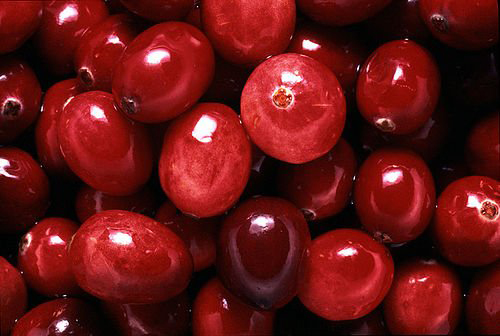
Did you know that more than half the nation’s cranberries are grown in Wisconsin? Only three major commercially-grown fruits are actually native to North America: cranberries, concord grapes, and blueberries. Cranberries are not actually grown in water, but the fields are flooded at harvest time because the berries float, making them easier to harvest mechanically.
Simple Applesauce

Ingredients:
4 apples – peeled, cored and chopped
3/4 cup water
1/4 cup white sugar
1/2 teaspoon ground cinnamon
Preparation:
In a saucepan, combine apples, water, sugar, and cinnamon. Cover, and cook over medium heat for 15 to 20 minutes, or until apples are soft. Allow to cool, then mash with a fork or potato masher.
Honeycrisp apples
Did you know that the popular “Honeycrisp” apple variety was developed and patented by the University of Minnesota? The “next big thing” from their exceptional apple breeding program is the “SweeTango” apple, but it only available from a small group of “club orchards” in Washington, Michigan, Minnesota and New York who have purchased the exclusive rights to grow them!
Garlic Roasted Potatoes
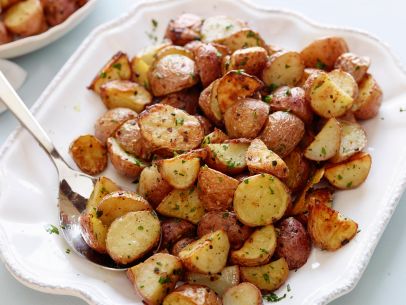
Ingredients:
3 pounds small red or white potatoes
1/4 cup good olive oil
1 1/2 teaspoons kosher salt
1 teaspoon freshly ground black pepper
2 tablespoons minced garlic (6 cloves)
2 tablespoons minced fresh parsley
Preparation:
Preheat the oven to 400 degrees F.
Cut the potatoes in half or quarters and place in a bowl with the olive oil, salt, pepper, and garlic; toss until the potatoes are well coated. Transfer the potatoes to a sheet pan and spread out into 1 layer. Roast in the oven for 45 minutes to 1 hour or until browned and crisp. Flip twice with a spatula during cooking in order to ensure even browning.
Remove the potatoes from the oven, toss with parsley, season to taste, and serve hot.
Quinoa and Vegetable Stuffed Peppers
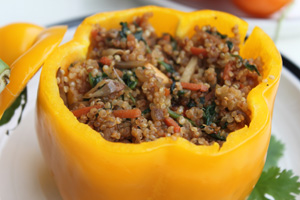
Most of these summer vegetables and herbs will still be available at Winter Market this week, then visit our neighbors at the Dubuque Food Co-op or The Food Store for your quinoa!
1 cup vegetable broth, low sodium
1/2 cup peeled, shredded carrots
2/3 cup quinoa
1/4 cup grated Parmesan cheese
4 red, yellow or orange bell peppers, about 2 pounds
1/2 teaspoon dried thyme
1/2 teaspoon dried oregano
1/2 cup finely chopped celery
1/2 teaspoon salt
1/4 cup chopped scallions
Pinch cayenne
1/2 cup diced mushrooms, about 2 ounces
Bring the broth and quinoa to a boil in a 2-quart saucepan, stirring constantly. Reduce the heat and simmer, covered, 10 minutes. Fluff with a fork and put in a large bowl.
Preheat the oven to 375º F.
Lightly coat an 8-by-8-inch baking dish with cooking spray.
Cut the tops off the bell peppers and remove the core and seeds. Cut a very thin slice off the bottom of the bell peppers so they will stand upright.
Cook the peppers, in a large pot of boiling water, 3 minutes. Remove the peppers and drain, inverted, on paper towels.
Combine the remaining ingredients with the quinoa. Divide the mixture among the peppers. Place the peppers upright in the baking dish and bake 15 to 20 minutes.
Source: University of Michigan
Chilled Asparagus with Mustard Herb Vinaigrette
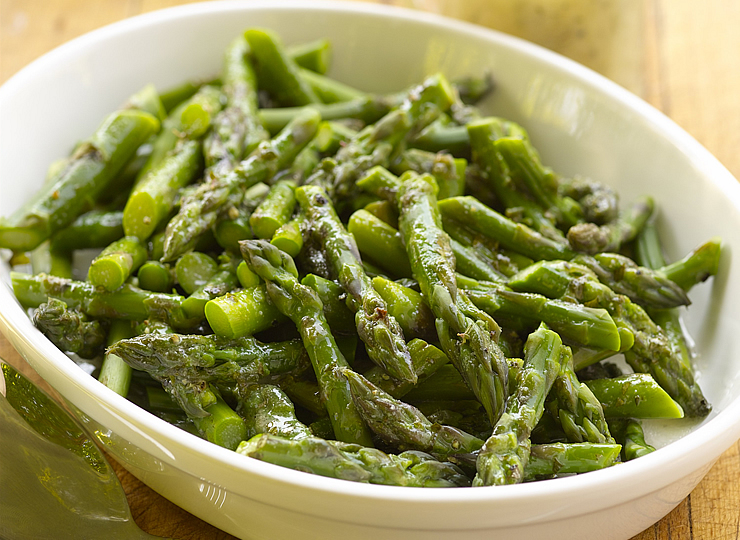
The early asparagus is often the most tender and tasty – perfect for this quick and delicious recipe. Asparagus should be available at market soon!
INGREDIENTS
2 pounds asparagus
2 tablespoons white wine or cider vinegar
2 teaspoons Dijon mustard
1 teaspoon chopped flat leaf parsley
1/2 teaspoon chopped tarragon leaves
Salt and pepper as needed
Dash of onion powder
Dash of garlic powder
1/4 cup extra-virgin olive oil
PREPARATION
Mustard Herb Vinaigrette
1. To make the vinaigrette, whisk together the vinegar, mustard, parsley, tarragon, salt, pepper, onion powder, and garlic powder until blended.
2. Add the oil to the vinegar mixture in a thin stream, whisking constantly. Season with additional salt and pepper if needed.
Asparagus Preparation
1. Bring a large pot of salted water to a rolling boil.
2. Trim the asparagus to remove the white, fibrous ends. Cut the asparagus into 2-inch pieces on the diagonal.
3. Add the asparagus to the boiling water and cook until the spears are bright green and just tender, 4 to 5 minutes. (If necessary, cook the asparagus in batches.) Remove from water and place in refrigerator to chill or drain the asparagus in a colander and rinse with cold water until the asparagus is chilled. The asparagus is ready to dress and serve now, or it can be held in a covered container in the refrigerator for up to 6 hours.
4. Toss the chilled asparagus with the vinaigrette or pass it separately on the side. Serve immediately on a chilled platter or plates.
Shop local – eat local
Knowing what fruits and vegetables are in season will help you plan your menus in a way that will take advantage of cheaper prices (when the produce is plentiful) and ensure you’re getting the tastiest, freshest produce. You should consider buying bulk amounts of locally-grown produce when it’s in season and then do some canning or freezing so you can extend the fruits of harvest throughout the year.
Click HERE for a nice calendar that shows you when produce will be in season and available at farmers’ market or farm stands.
Click HERE for tips on planning your menu seasonally based upon what is ripe and available from CSAs or farmers’ markets.
Don’t forget: There is a Food Preservation 101 class coming up on May 6th that will give you the skills needed take advantage of seasonal bounty.
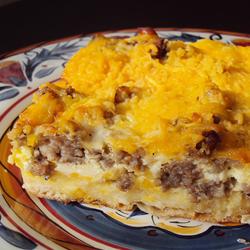
English Muffin Breakfast Strata
INGREDIENTS
1 (16 ounce) package ground pork sausage
1/4 cup butter, or as needed
2 (12 ounce) packages English muffins, split
10 ounces shredded sharp Cheddar cheese, divided
1 (8 ounce) package shredded mozzarella cheese, divided
8 large eggs
1 1/2 cups sour cream
1 (4 ounce) can chopped green chilies, drained
PREPARATION
1. Heat a large skillet over medium-high heat and stir in sausage. Cook and stir until sausage is crumbly, evenly browned, and no longer pink, about 10 minutes. Drain and discard any excess grease.
2. Lightly grease a 9×13-inch baking dish.
3. Spread butter on the inside of each English muffin half. Arrange buttered English muffins in the prepared baking dish; top with half the sausage, half the Cheddar cheese, and half the mozzarella cheese.
4. Whisk eggs, sour cream, and green chilies together in a large bowl; pour evenly over sausage and cheese layer. Top with remaining sausage, Cheddar cheese, and mozzarella cheese. Cover and chill for 8 hours.
5. Preheat oven to 350 degrees F (175 degrees C).
6. Bake strata in the preheated oven until lightly browned and set in the middle, about 35 minutes. Let stand for 10 minutes before serving.
Credit: allrecipes.com
Grilling the perfect steak
Has the warmer weather got you in the mood to break out your grill? These simple tips will help you properly prepare your steaks:
1) Start with a Clean and Oiled Grill: Clean grates keep the steaks from sticking when you turn them. All you need to do is heat your grill, give it a good scrub with a heavy duty grill brush, and lightly brush it with vegetable oil.
2) High Heat Cooking: You want the grill to be at least 450°F, or hot enough that you can hold your hand over the grill for just one second. High heat ensures a good sear and a crispy crust on these steaks.
3) Season the Steak: Steaks don’t need much to make them great. Just before grilling, brush them lightly on both sides with olive oil and sprinkle with salt and pepper.
4) Turn Steak Once: Steaks are so quick-cooking that you really only need to turn them once. Flipping too frequently might also prevent the steaks from forming their tasty, well-seared crust. They’re ready to be flipped when they release easily from the grill, just like with searing meat on the stove top. Use a pair of pincher tongs for turning the meat instead of poking it with a barbecue fork – those forks just pierce holes in the meat, mauling it and releasing its juices.
5) Cook Until Its Done: Exact cooking time depends on the thickness of the steak and your personal preference. This is why a meat thermometer is handy to have. It’s accurate and won’t release much juice from the meat: Rare: 125°F – 130°F; Medium-Rare: 130°F – 135°F; Medium: 140°F – 145°F; Well-Done: 160° and higher.
6) Rest the Steak: Let the grilled steak rest on the cutting board for about 5 minutes before cutting in. This gives the juices time to re-circulate through the meat. Slicing the steak earlier lets the juices run out and makes your steak taste dry.


