 Dubuque Winter Farmer's Market
Potato Basil Frittata
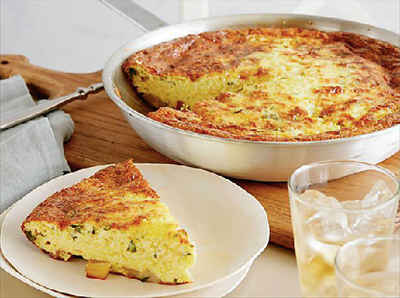
Get your potatoes, basil, and eggs for this tasty recipe at the Winter Market this week!
Ingredients:
8 tablespoons (1 stick) unsalted butter, divided
2 cups peeled and 1/2-inch diced boiling potatoes (4 potatoes)
8 extra-large eggs
15 ounces ricotta cheese
3/4 pound Gruyere cheese, grated
1/2 teaspoon kosher salt
1/2 teaspoon freshly ground black pepper
3/4 cup chopped fresh basil leaves
1/3 cup flour
3/4 teaspoon baking powder
Preparation:
Heat the oven to 350 degrees F.
Melt 3 tablespoons of butter in a 10-inch ovenproof omelet pan over medium-low heat. Add the potatoes and fry them until cooked through, turning often, about 10 to 15 minutes. Melt the remaining 5 tablespoons of butter in a small dish in the microwave.
Meanwhile, whisk the eggs, then stir in the ricotta, Gruyere, melted butter, salt, pepper, and basil. Sprinkle on the flour and baking powder and stir into the egg mixture.
Pour the egg mixture over the potatoes and place the pan in the center of the oven. Bake the frittata until it is browned and puffed, 50 minutes to 1 hour. It will be rounded and firm in the middle and a knife inserted in the frittata should come out clean. Serve hot.
Source: foodnetwork.com
Root cellars
Did you know that root cellars have been found in the remains of ancient civilizations, beginning in prehistoric times?
They used them in Europe extensively, so it is not unusual that our pioneers brought the idea of root cellars to our country. The root cellar kept apples, carrots, turnips, potatoes and squash through the winter, sustaining a family through those cold winter months. Salt pork and smoked meats were also kept in the root cellar if they did not have a smoke house. According to most sources, an 8’x10′ root cellar will accommodate 60 bushels of produce.
Chunky Butternut Squash and Apple with Honey
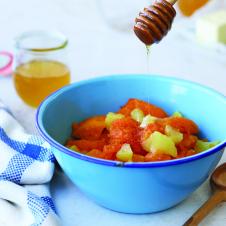
Honey, squash, apples and herbs are all available at the Winter Market!
Ingredients:
1 (1-1/2 to 2 pounds) – butternut squash , halved, seeded, and cut into 2- or 3-inch chunks
2 crisp apples, peeled, quartered, cored, and cut into 1/2-inch chunks
2 tablespoons – unsalted butter
2 tablespoons – honey
1/2 teaspoon – coarse salt
1 teaspoon – minced fresh herb leaves, to match the honey (optional)
Preparation:
Place the squash in a steamer set over an inch or more of boiling water. Cover and steam for 15 minutes, until almost tender. Add the apples to the squash, cover, and steam for about 15 minutes longer, or until the squash and apples are fork tender.
Let cool slightly. Select the chunks of squash from the steamer. Scoop the squash flesh from the skins, or if preferred cut the skin from the flesh with a paring knife. Transfer the peeled squash and the apples to a large saucepan.
Add the butter and honey, and with a potato masher or a big wooden spoon, roughly mash the squash and apples, leaving some chunks of each. Add the salt. Sprinkle with the fresh herb of choice.
Source: honey.com
The Gent’s Winter Salad
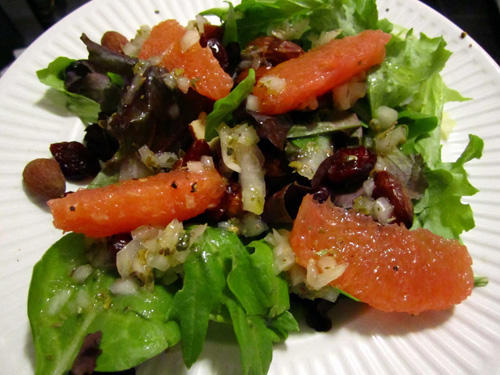
Salad:
2 cups mixed greens
1 orange segments (Cara Cara or other)
1/4 cup toasted almonds
3 tbsp dried cranberries
Dressing:
Juice (from ends of oranges)
1 tbsp cider vinegar
1 shallots (finely chopped)
1 tsp oregano (fresh or dried)
3 tbsp olive oil
1 pinch salt
Preparation:
Peel and segment the orange over a small bowl to capture any juice. Add vinegar to the orange juice in the bowl, toss in the shallot and oregano. Slowly drizzle in olive oil, whisking constantly, until emulsified. Mound two plates with greens. Sprinkle the almonds and cranberries on top, lay orange segments on top. Drizzle with dressing, sprinkle with salt. Enjoy.
Source: Food52
Cold and Sickness
Did you know that being cold might not actually be what makes you sick? Almost every mother has said it: “Wear a jacket or you’ll catch a cold!” Is she right? So far, researchers who are studying this question think that normal exposure to moderate cold doesn’t increase your susceptibility to infection. Most health experts agree that the reason winter is “cold and flu season” is not that people are cold, but that they spend more time indoors, in closer contact with other people who can pass on their germs. More fascinating info about the connections between healthy lifestyles and immune system strength.
Roasted Vegetable Soup

1 quart Roasted Winter Vegetables, recipe follows
Kosher salt and freshly ground black pepper
ROASTED WINTER VEGETABLES:
1 pound carrots, peeled
1 pound parsnips, peeled
1 large sweet potato, peeled
1 small butternut squash (about 2 pounds), peeled and seeded
3 tablespoons good olive oil
1 1/2 teaspoons kosher salt
1/2 teaspoon freshly ground black pepper
2 tablespoons chopped fresh flat-leaf parsley
For serving:
In a large saucepan, heat 3 cups of chicken stock. Coarsely puree the Roasted Winter Vegetables (see below) and the chicken stock in the bowl of a food processor fitted with the steel blade (or use a handheld blender). Pour the soup back into the pot and season, to taste. Thin with more chicken stock and reheat. The soup should be thick but not like a vegetable puree, so add more chicken stock and/or water until it’s the consistency you like.
Roasted Winter Vegetables:
Preheat the oven to 425 degrees F.
Cut the carrots, parsnips, sweet potato, and butternut squash in 1 to 1 1/4-inch cubes. All the vegetables will shrink while baking, so don’t cut them too small.
Place all the cut vegetables in a single layer on 2 sheet pans. Drizzle them with olive oil, salt, and pepper. Toss well. Bake for 25 to 35 minutes, until all the vegetables are tender, turning once with a metal spatula.
Sprinkle with parsley, season to taste, and serve hot.
Credit: foodnetwork.com
Plants, trees and Midwest weather
Did you know that many of our native plants and trees are capable of surviving temperatures of -40 degrees (or lower)?
After they are acclimated by milder temperatures at or below freezing for an extended period of time, native trees undergo a “deep supercooling” process that suppresses ice formation within their living cells. Read more about this fascinating process.
Old Fashioned Bread Pudding

Ingredients:
2 cups milk
1/4 cup butter or margarine
2 eggs, slightly beaten
1/2 cup sugar
1 teaspoon ground cinnamon or nutmeg
1/4 teaspoon salt
6 cups soft bread cubes (about 6 slices bread)
1/2 cup raisins, if desired
Whipping (heavy) cream, if desired
Preparation:
Heat oven to 350 degrees F. In 2-quart saucepan, heat milk and butter over medium heat until butter is melted and milk is hot.
In large bowl, mix eggs, sugar, cinnamon and salt. Stir in bread cubes and raisins. Stir in milk mixture. Pour into ungreased deep round pan.
Bake uncovered 40 to 45 minutes or until knife inserted 1 inch from edge comes out clean. Serve warm with whipping cream.
Credit: bettycrocker.com
Whole grains and health
Did you know that eating grains, especially whole grains, provides health benefits?
People who eat whole grains as part of a healthy diet have a reduced risk of some chronic diseases. Grains provide many nutrients that are vital for the health and maintenance of our bodies. Read more about the health benefits of whole grains.
Greek Style Roasted Potatoes
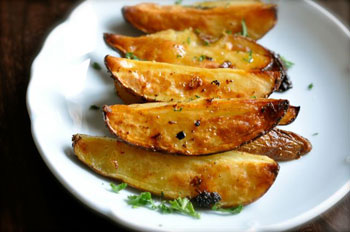
Ingredients:
5 or 6 medium-large russet potatoes
Salt, preferably coarse sea salt
Freshly ground black pepper
3 garlic cloves, coarsely chopped
1 cup water
1/2 cup olive oil
1/4 to 1/3 cup lemon juice
Preparation:
Preheat the oven to 450 degrees F.
Scrub the potatoes well, but don’t peel them. Cut them lengthwise into quarters. If potatoes are extremely large, cut each potato into eight wedges. Place the potatoes in a 9×13-inch baking pan. Season the potatoes with salt and pepper. Add the garlic to the potatoes. Mix the marinade by combining the water, olive oil, and lemon juice. Pour the marinade over the potatoes. Be sure to cover all of the potatoes.
Roast the potatoes for about 40 minutes, then remove the pan from the oven. Turn the potato wedges so all sides can brown. Do this by flipping the “white” top side of the potato onto the bottom of the dish. Place the potatoes back in the oven and roast for an additional 20 to 30 minutes. When you remove the potatoes they will be nice and golden brown all over, and will have absorbed the marinade.
Credit: yummly.com

 Dubuque Winter Farmer's Market