 Dubuque Winter Farmer's Market
Hammerand Farm
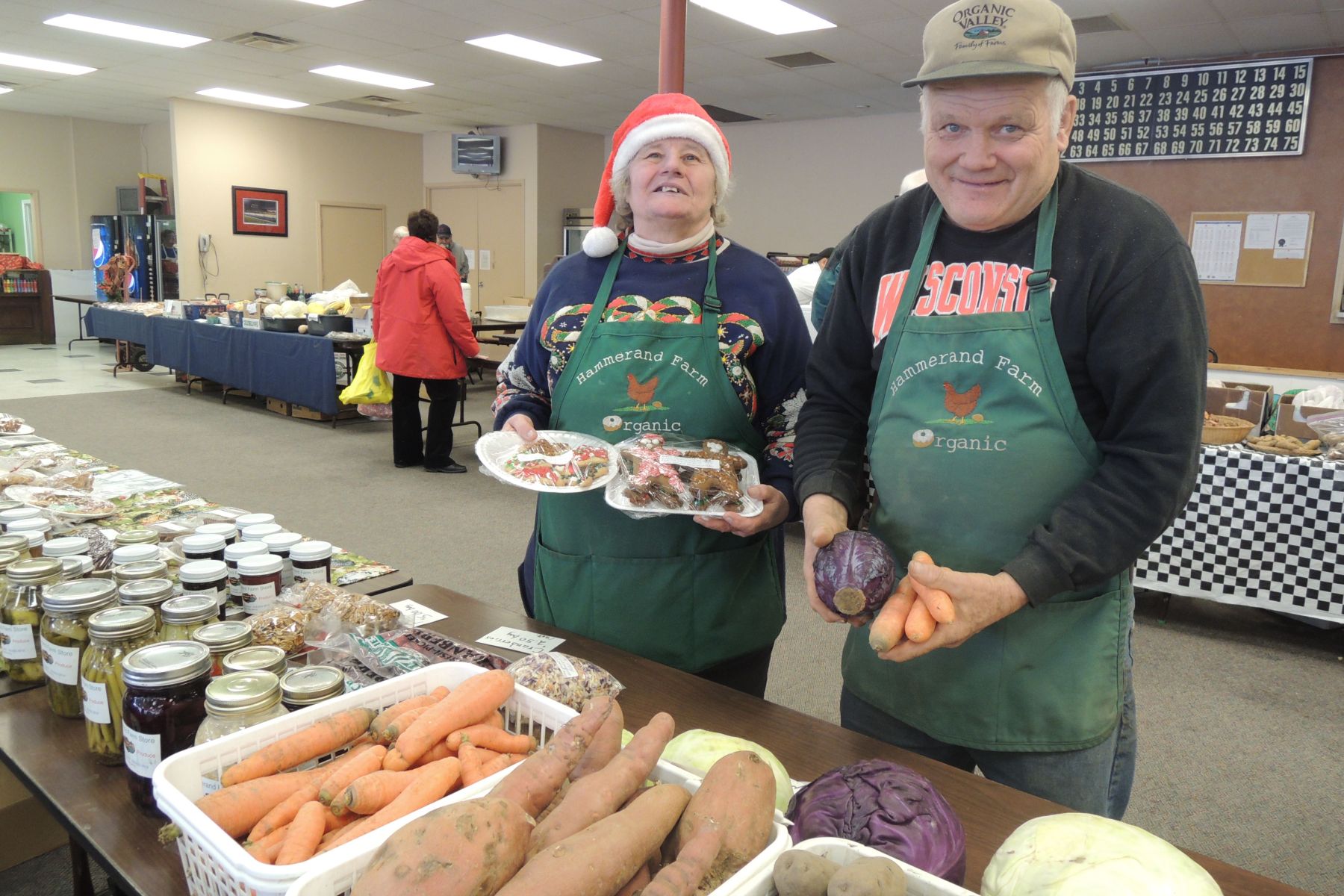
Walter and Dorothy Hammerand are truly pioneers in the tri-state organic food markets. Long before it was trendy, their farm became certified organic. Although they’ve been growing for decades, they still attend organic farming conferences and make extra effort to educate themselves about improving their products and methods.
Walter grew up north of Dubuque and Dorothy is originally from Green Bay, Wisconsin. They bought their 360-acre farm north of Lancaster in 1970 and eventually converted to fully organic dairy production. Their daughter and son-in-law now work the farm, and Walter and Dorothy have a large garden in Fennimore where they grow the majority of their produce.
The Hammerands are able to maximize their harvest by adding value to the products they grow. They offer over 21 kinds of jams and jellies, 21 varieties of pickles and relishes, and a wide selection of baked goods. Even this late in the season they still have a good selection of potatoes, squash, sweet potatoes and other winter produce. They also offer fully organic eggs produced by their brood of laying hens.
The Hammerands sell at the Madison farmers’ market in the summer and participate in Harvest of Hope, devoting 10% of their profits to help farm families in need. They have seen the market for natural and organic foods grow in the tri-state region, and they believe that Dubuque will soon catch up to bigger markets like Madison. Thank you, Walter and Dorothy, for your long-standing commitment to local foods and farmers’ markets!
Drying fruits and vegetables prolongs your enjoyment of seasonal produce
Drying (dehydrating) food is one of the oldest and easiest methods of food preservation. Dehydration is the process of removing water or moisture from a food product. Removing moisture from foods makes them smaller and lighter. Dehydrated foods are ideal for backpacking, hiking, and camping because they weigh much less than their non-dried counterparts and do not require refrigeration. Drying food is also a way of preserving seasonal foods for later use. It’s important to use approved techniques for drying food, however, to ensure the food is safe and stays properly preserved.
Three things are needed to successfully dry food at home:
• Heat – hot enough to force out moisture (140°F), but not hot enough to cook the food
• Dry air – to absorb the released moisture
• Air movement – to carry the moisture away
Click here to learn more about drying fruits and vegetables at home.
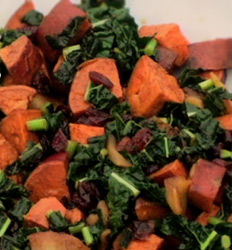
Spiced Sweet Potatoes with Apples and Kale
INGREDIENTS
2 sweet potatoes, scrubbed and cut into 1-inch chunks
2 tbsp extra-virgin olive oil
1 tsp cumin
1/2 tsp cinnamon
1/2 tsp salt
1/4 tsp cayenne
2 tbsp butter (divided)
1/2 apple, cut into thin 1-inch chunks
1 tbsp unrefined cane sugar or brown sugar
1/3 cup dried cranberries
6 large kale leaves, cut into thin strips
1/4 cup apple juice
2 tsp balsamic vinegar
DIRECTIONS
Preheat oven to 375 degrees. Cut sweet potatoes and place in an 8-by-8-inch baking dish. Mix oil and spices together in a small bowl and drizzle over potatoes; toss to evenly coat. Cover pan and bake 30-35 minutes, until tender.
While sweet potatoes are roasting, prepare other vegetables. Heat 1 tablespoon of the butter in a skillet until it begins to sizzle. Add apples and saute, stirring frequently. Add sugar and allow it to melt on the apples. Add remaining 1 tablespoon of butter. When it is melted, add cranberries and kale. Allow kale to be coated by the fat by folding it into the apples and butter. When it is shiny and beginning to get limp, add the juice. Cover the skillet and allow fruits and vegetables to braise for several minutes.
When sweet potatoes are tender (easily cut with the side of a fork), remove from oven and allow it to cool briefly. Put in a large serving bowl and add the apple, cranberry, kale mixture. Toss together gently. Drizzle 1 teaspoon of vinegar on top and fold in. Taste the composition. Add more vinegar or salt if needed. Serve warm or at room temperature. Will keep nicely in the refrigerator for several days.
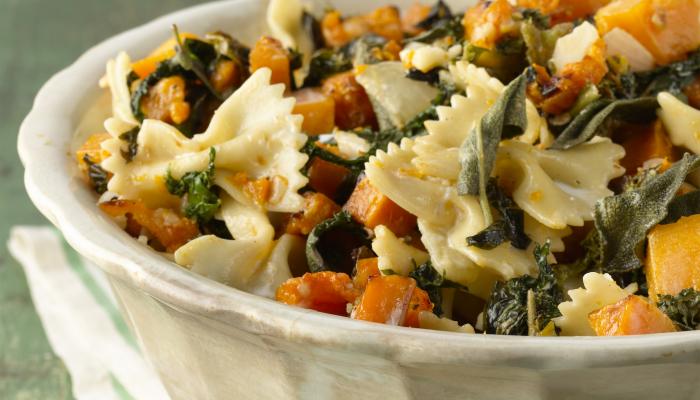
Sweet Roasted Butternut Squash and Greens over Bow-Tie Pasta
INGREDIENTS
5 quarts salted water in a 6-quart pot
Roasted Vegetables:
3 to 3-1/2 pounds butternut squash, peeled, seeded, and cut into bite-sized chunks
1 medium to large onion, cut into 1-inch chunks
2 big handfuls escarole or curly endive that has been washed, dried, and torn into small pieces, or spring mix
1/3 tight-packed cup fresh basil leaves, torn
16 large fresh sage leaves, torn
5 large garlic cloves, coarse chopped
1/3 cup good-tasting extra-virgin olive oil
1/4 teaspoon red pepper flakes
1 tight-packed tablespoon brown sugar (light or dark)
Salt and fresh-ground black pepper
Pasta and Finish:
1 pound imported bow-tie pasta
1/2 cup half-and-half
1 to 1-1/2 cups (about 6 ounces) shredded Asiago cheese
DIRECTIONS
1. Slip one large or two smaller shallow sheet pans into the oven. Preheat the oven to 450 F. Bring the salted water to a boil.
2. In a big bowl, toss together all the ingredients for the roasted vegetables. Be generous with the salt and pepper.
3. Pull out the oven rack holding the sheet pan. Taking care not to burn yourself, turn the squash blend onto the hot sheet pan and spread it out. Bake for 25 minutes, or until the squash is tender, turning the vegetables two or three times during roasting.
4. As the squash becomes tender, drop the pasta into the boiling water and cook it until tender, but with some firmness to the bite. Drain in a colander.
5. Once the squash is tender, turn on the broiler to caramelize it. Watch the vegetables closely, turning the pieces often. Anticipate about 5 minutes under the broiler. You want crusty brown edges on the squash and wilted, almost crisp greens.
6. Scrape everything into a serving bowl. Add the half-and-half, hot pasta, and 1 cup of the cheese. Toss to blend, tasting for salt and pepper. Add more cheese if desired. Serve hot.
Reprinted from The Splendid Table’s How to Eat Supper by Lynne Rossetto Kasper and Sally Swift (Clarkson Potter/Publishers, 2008). Copyright 2008 by American Public Media.
Eating Local on a Budget Workshop
Wednesday, March 5th, 6:15-7:30pm
Location: Schmid Innovation Center – Gallery C, 900 Jackson Street, Dubuque
Cost: Free for Dubuque Food Co-op members, $5.00 for Non-Members
Interested in cooking healthy, local meals for your family but think it’s too expensive? Learn helpful tips and tools for increasing your health while bulking up your wallet.
The Dubuque Food Co-op is excited to host its first of three spring educational class for its members and the general public. Join regional foods coordinator Brittany Bethel from the Dubuque County ISU Extension Office to learn “locavore” basics and budgeting tips for buying locally grown food. New Co-op member sign-up will be available at the door.
Register by e-mailing or calling Brittany at bbethel@iastate.edu or 563.583.6496 x12
Visit dubuquefoodcoop.com or www.extension.iastate.edu/dubuque for more information!
Safe storage and handling for fresh shell eggs
Proper refrigeration, cooking and handling should prevent most egg safety problems. People can enjoy eggs and dishes containing eggs if these safe handling guidelines are followed:
Don’t Eat Raw Eggs: This includes “health food” milk shakes with raw eggs, Caesar salad, hollandaise sauce and any other foods like homemade mayonnaise, ice cream or eggnog made from recipes in which the raw egg ingredients are not cooked. These egg-based recipes should be updated to start with a cooked base or so that commercially prepared pasteurized eggs or egg substitutes are used. Use a thermometer and make sure the temperature of the cooked base reaches 160°F.
Safe Storage of Eggs at Home: Take eggs straight home and store them immediately in the refrigerator at 40°F or slightly below. Store them in the grocery carton in the coldest part of the refrigerator, not in the door. Do not wash eggs. Washing eggs could remove the protective mineral oil coating put on at the plant and could increase the potential for bacteria on the shell to enter the egg.
Use Eggs Promptly: Use raw shell eggs within three to five weeks. When fresh eggs are hard cooked, the protective coating is washed away so hard-cooked eggs should be refrigerated within two hours of cooking and used within a week. Use leftover yolks and whites within four days. If eggs crack on the way home from the store, break them into a clean container, cover tightly, and keep refrigerated for use within two days.
Freeze Eggs for Longer Storage: Eggs should not be frozen in their shells. To freeze whole eggs, beat yolks and whites together. Egg whites and yolks can also be frozen by themselves. Use frozen eggs within a year. If eggs freeze accidentally in their shells, keep them frozen until needed. Defrost them in refrigerator. Discard any with cracked shells.
Small Family Farm CSA
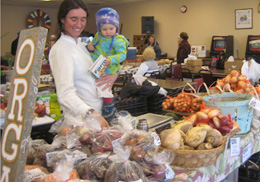
When you consider the vast array of experiences Jillian Varney has had in the world of organic food production, and then encounter this young “farmer” at market, you may doubt that it is possible she has already lived so broadly. Jillian says that it was financial need, youth, and an intense curiosity about where our food comes from that started her on a trail which has led her from her first job at Michael Breitbach’s Farmers’ Market food store to work on an organic coffee farm in Costa Rica, CSA farms in the Chicago and Iowa City areas, back to Dubuque, working for a time with Sheila of Dobey’s, and finally to the farm she and her husband own and operate near Viroqua, Wisconsin.
Jillian and husband Adam bought their farm in the spring of 2007. They have developed their business from a 60 member CSA to over 200 members as of last season. They use more than eight of their 21 acres for vegetable production. Although Jillian and Adam are both working full-time on their farm, they have two full-time employees, and Jillian’s mother helps with deliveries. They also have 15 worker share members, which means those members help out from time to time with gardening chores. In addition to marketing through their CSA, farmers’ markets, including Madison’s, are also outlets for their sales. Find them at www.smallfamilycsa.com.
During the growing season, the CSA farm produces nearly every vegetable that will grow in our region. On Small Family Farm’s winter market table, you will currently find beautifully preserved garlic, shallots, potatoes, squash, rutabaga, beets, and carrots. Stop by Jillian’s table; meet this remarkable young woman; meet Ayla, the youngest member of the family; stock up on winter vegetables!
Dubuque Winter Farmers’ Market is about connections.
Shopping at the Winter Farmers’ Market makes us feel more connected to our community. We see our neighbors, co-workers and friends in a unique setting and discover new shared interests. We also become more closely connected to our food and the farmers that grow it. Knowing how our food is produced helps us make more informed choices about our diets and improve our health. Join us on Saturday morning and build some connections of your own.
Master Gardener Spring Seminar
Saturday, March 1st, 8:00am – 2:30pm
The Dubuque County Master Gardeners welcome you to attend the annual Spring Seminar, an educational event packed with speakers and information designed to get Dubuque area gardeners ready for the new growing season:
Health Benefits of Growing Your Own Veggies! – Megan Dalsing-Horstman, Hy-Vee Dietician
No Yard? No Problem! Container Gardening for Small Spaces – Sara Carpenter, Landscape Designer-Steve’s Ace Home & Garden
Seed Savers Exchange: Our Garden Heritage – Grant Olson, Seed Savers Exchange Public Program Manager
Branch Out Dubuque! Underutilized Deciduous Shrubs – Richard Jauron, ISU Extension/Outreach
Low Maintenance Gardening – Dr. Cynthia Haynes, ISU Extension/Outreach
COST: $20 in advance; $25 at the door
LOCATION: NICC Town Clock Center
680 Main Street
PREPAID RESERVATIONS REQUESTED:
Mail payment with name, e-mail and phone to:
Dubuque County Extension & Outreach, 14858 West Ridge Lane, Dubuque IA 52003
Questions? Call Dubuque County Extension: 563-583-6496
Tree of Life CSA
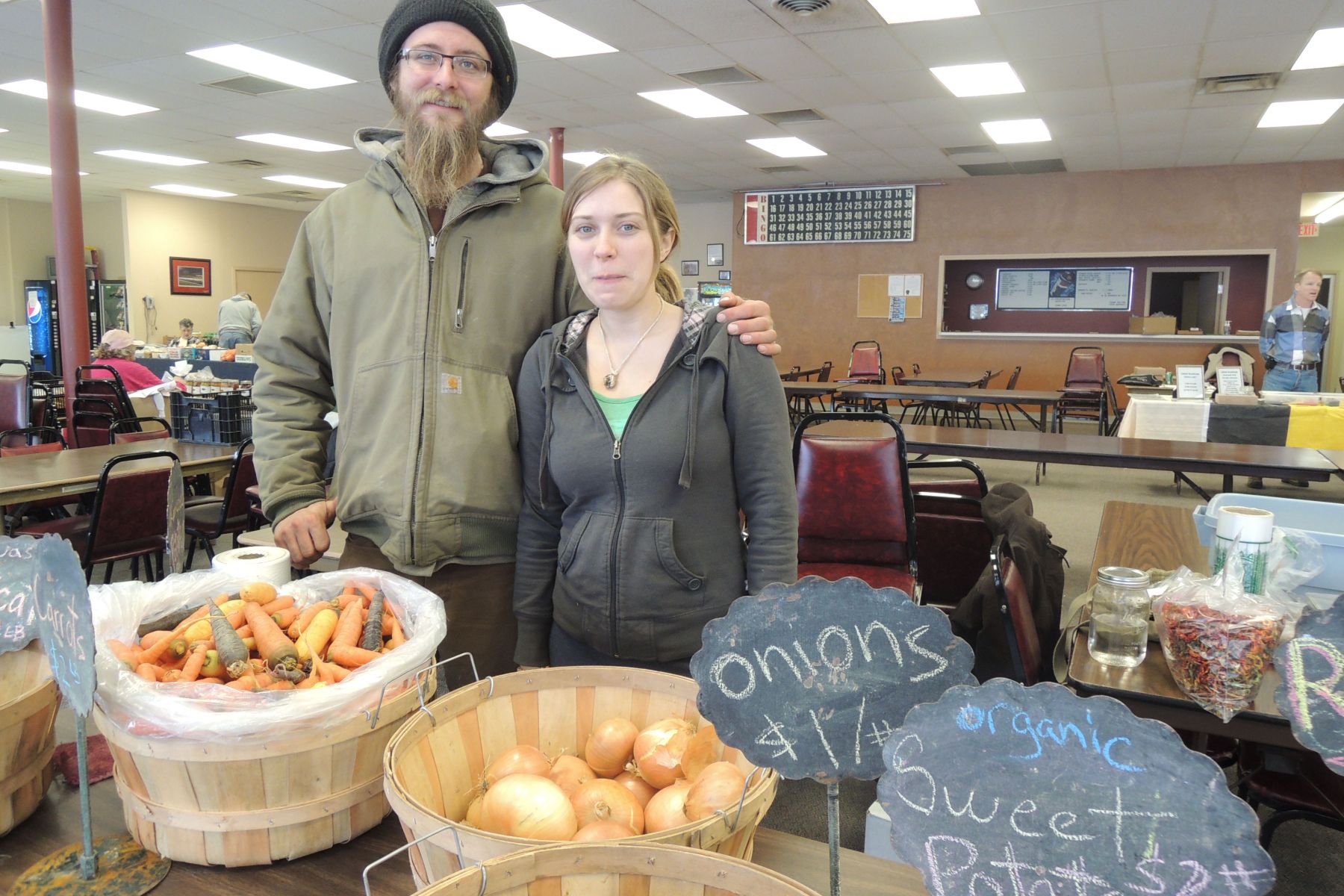
Marc Millitzer began his career at our farmers’ markets as a glass artist, but for the past seven years he has been serving our community as a market gardener and Community Supported Agriculture (CSA) owner/operator. The downturn in the economy may have lowered the demand for his glass art, but our community is clearly hungry for his local, fresh produce.
Tree of Life Gardens is a certified organic CSA. Members of a CSA buy a share of the grower’s produce in the spring, and they receive weekly harvest boxes throughout the season. This year they offered winter shares that included root crops, mushrooms and produce from their high tunnels where crops can grow year-round. All the winter shares sold out, however, so be sure to get your order in early next year!
Marc’s business has steadily expanded, both in volume and variety. He has used grant money to add a high tunnel to his gardens. The tunnel has significantly extended his growing season and allows him to produce greens almost year-round. Marc has also used grant money to build a mushroom cave, which is a steel shipping container with dirt mounded over the top. He is growing and selling oyster mushrooms (featured in this week’s recipe) and just harvested a bumper crop. The cave allows him to grow mushrooms year-round, but the growth is a bit slower in the winter. The cave needs to be heated which has been tough given our cold winter, but having those fresh home-grown mushrooms each week is certainly worth it!
In the summer months Marc and his family operate a retail store on their farm near Cuba City. The store stocks Tree of Life produce plus other locally-sourced products from their neighbors. Be sure to plan a visit there when the season starts again in the spring!
When you visit the Tree of Life stand at market, you will find most every vegetable available and a variety of dried vegetables, homemade sprouted breads and fresh greens. Marc will be there too, smiling and willing to guide you to the perfect celery, or teach you the health benefits of sprouted bread and his many other products.

 Dubuque Winter Farmer's Market